A Brisbane foreshore morning in summer: what to bring and when to go
How to plan an early summer morning on a Brisbane or bayside foreshore, including timing, packing, tides and what to confirm before you leave.
A foreshore morning is one of the easiest warm-weather outings around Brisbane, if you treat it as a morning and not as a day at the beach. The bayside paths at places such as Shorncliffe, Sandgate, Wynnum and Manly, and the river walks closer to the city, give you air, a view and a reason to get out before the suburb heats up. The difference between a good trip and a sticky, disappointed one is usually timing, packing, and a quick official check the night before.
Go earlier than feels necessary
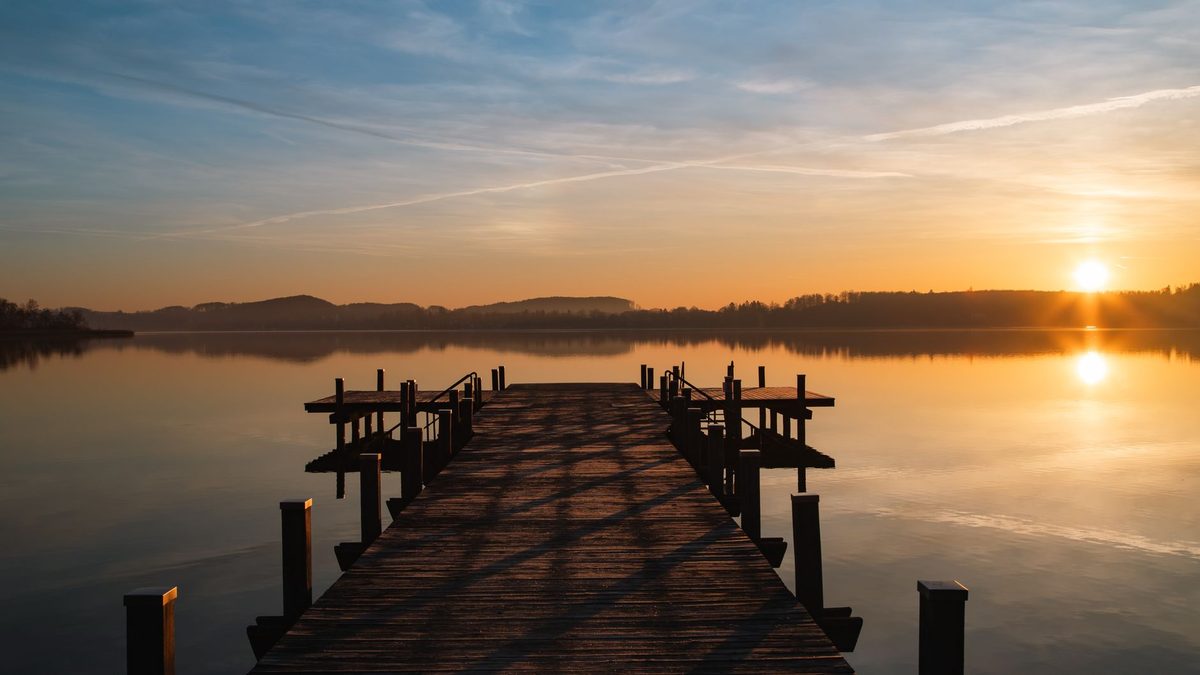
In summer, "morning" often means leaving the house so that you are walking by 7:00 or 8:00. By mid-morning the glare off the water is sharper, shade is patchier, and car parks near popular spots fill up. If you have small children, or anyone who finds heat hard, earlier is kinder.
You do not need a sunrise start unless you want one. You do need to avoid sliding toward eleven o'clock and then wondering why everyone is tired. Set a latest leaving time the night before, as you would for an appointment.
If the forecast is for severe heat, storms or poor air quality, change the plan. A foreshore is open space. It is not a good place to "push through" bad conditions. Check the Bureau of Meteorology and any local council alerts rather than relying on how the sky looks from your kitchen.
Choose a stretch that matches the group
Not every foreshore walk is the same. Before you pick a spot, think about:
- Path surface and length. A wide, mostly flat promenade is different from a narrower section with uneven ground.
- Shade. Some stretches have shelters, trees or buildings; others are quite exposed. Look at a map or a recent photo, and assume you will need hats anyway.
- Facilities. Toilets, drinking water and a place to sit change how long you can comfortably stay. Confirm these on the council or venue page if they matter to you; do not assume a tap is working.
- Water. Looking at the bay is not the same as swimming. If anyone hopes to swim, you need a place where swimming is appropriate and currently allowed, and you need to judge conditions on the day. A pier or rock wall is for walking and looking, not for improvising a swim.
Kangaroo Point and other inner-river walks can work in the same early window, with city shade and ferry options, but they can also be busier. Bayside suburbs often feel a little more open. Neither is "better"; they suit different mornings.
Pack like you will not pass a shop
Take what you need from home so the morning does not become a search for an open café. A practical list:
- Water, already cold, and enough for the walk plus a sit
- Hats and sunscreen, applied before you leave
- Light, covered shoulders if the group burns easily
- A small towel or cloth for a bench or a patch of grass
- Simple snacks
- A light long-sleeve layer; early mornings can feel deceptively mild, and a breeze on the water can be cool until the sun lifts
- Phone, ticketing if you use public transport, and a small first-aid item if you like to be prepared
If you are taking a pram or a folding chair, check the path type first. Soft sand and some park edges are harder work than a sealed promenade.

Check tides and local conditions
Tide height changes how a foreshore feels. A very low tide can expose mudflats and a stronger smell; a higher tide can come closer to rocks and walls. If you want a particular look or a safer margin around rock areas, check an official tide chart for the location. Do not clamber on wet rocks for a better photo. They are as slippery as they look.
Also check:
- Council notices for path closures, works or events
- Weather and wind, especially if you will be on a pier
- Parking rules and Saturday restrictions
- Translink timetables if you are going by train or bus — bayside trains are a good Saturday option when the timetable suits you
None of this has to take more than a few minutes. It is the difference between arriving to a closed car park or a wind-blasted pier and arriving to the morning you pictured.
Keep the visit short and finish in the shade
A good foreshore morning can be ninety minutes, including a sit. You do not have to "do" the whole path. Walk out, pick a bench or a shelter, drink something, walk back. If children are in the group, a clear end point helps: one pier, one playground in the shade, one snack, then home.
Finish before people get sun-tired. It is easier to suggest a later ice block or a rest at home than to recover a morning that went on too long. If you want a second part to the day, use an indoor public place — a library is ideal — or go home and treat the outing as complete.
This pairs naturally with a hot Saturday plan that keeps the middle of the day quiet. The foreshore is the early chapter, not the whole book.