Planning a creek or reservoir day in South East Queensland
What to check before a creek, lake or reservoir day in South East Queensland, including access, water safety, fire rules and why official pages matter more than a blog post.
A creek, lake or reservoir day sounds like a simple escape from a hot suburb: trees, water, a picnic, a slow afternoon. In South East Queensland it can be a lovely outing, and it can also go wrong if you treat it like a city park. Access changes, swimming is not always allowed, fire restrictions appear in the warmer months, and water conditions are not something to guess from a photo on social media.
This post is a pre-trip checklist. It does not recommend a particular swimming spot, and it does not replace the land manager's rules. If you have a place in mind — a Seqwater recreation area, a council reserve, or a national park — start on that organisation's official page and treat this as a list of questions to ask.
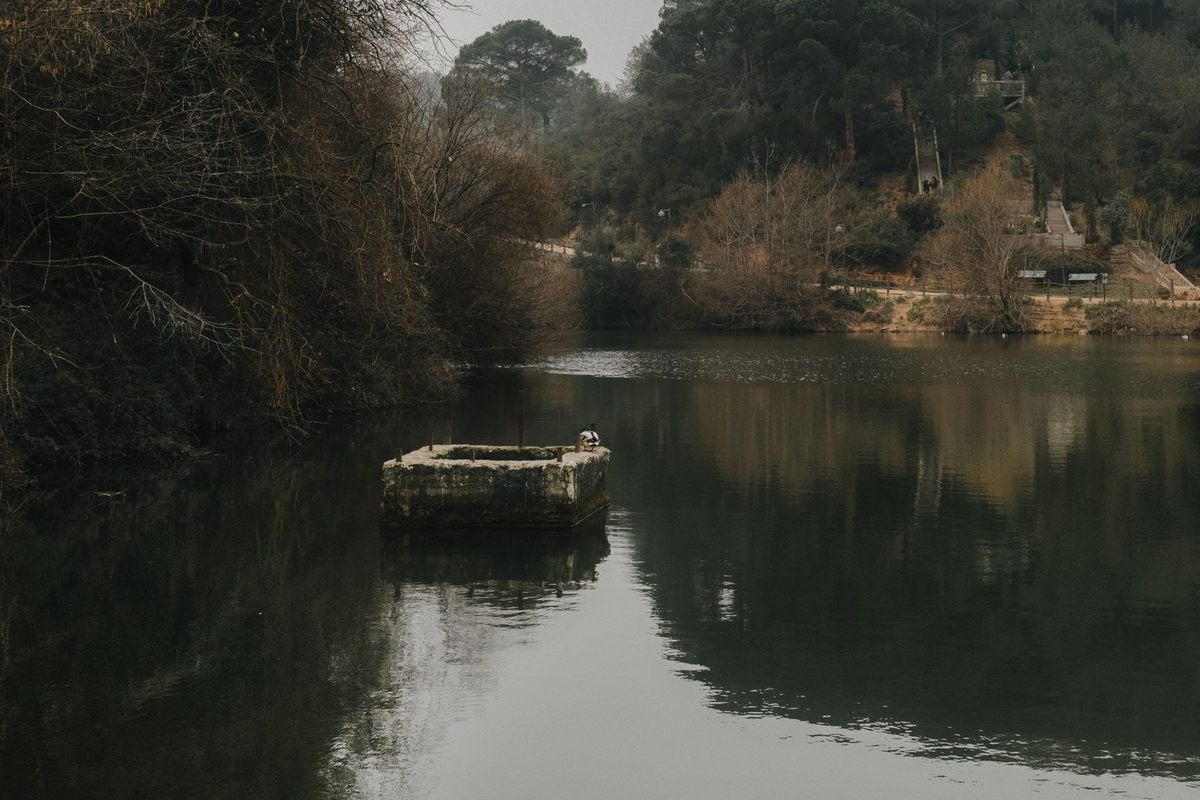
Confirm that you are allowed to be there, and what you are allowed to do
The first check is not the weather. It is permission and purpose.
- Who manages the land? Council, Seqwater, Queensland Parks and Wildlife Service, or a mix. The rules follow the manager.
- Is the area open? Closures happen after storms, for fire risk, for water-quality reasons, or for works. A place that was open last month may not be open this Saturday.
- Is swimming allowed? Many reservoirs and some creeks are for looking, walking or paddling only, or have swimming limited to marked areas. "There is water" is not the same as "this is a swimming spot".
- Do you need a booking or a permit? Some parks and recreation areas use bookings, especially at busy times. Check rather than arriving with a full car and nowhere to be.
- Are dogs allowed? Rules vary widely, and "on lead" is not universal permission.
If you cannot find a clear official answer, choose a different place. It is better to spend the morning at a foreshore or a city park than to invent permission.
Treat the water with respect
Freshwater swimming and paddling have risks that a calm surface does not show: unexpected depth, cold layers, submerged logs, slippery clay, and changing flow after rain. A few rules of thumb that do not depend on a particular site:
- Never jump or dive unless you have a reliable, current reason to know the depth and what is underneath. In practice, that means many informal spots are for wading only, or not at all.
- Children and weaker swimmers need an adult in the water, close, not watching from a picnic rug.
- After heavy rain, conditions can change quickly. Murky water hides hazards; stronger flow can appear in creeks that looked quiet the week before.
- There is no lifeguard at most of these places. If that makes you uneasy, pick a managed swimming venue instead.
This is general safety information, not a personal assurance that a place is fine on the day. If in doubt, stay out of the water and enjoy the walk.
Pack for limited facilities
Reservoirs and creek reserves often have fewer taps, bins and shelters than a suburban park. Take:
- More water than you think you need, especially in summer
- Hats, sunscreen and long sleeves
- A map or an offline copy of the walking route; phone coverage can be patchy
- Snacks and a way to carry your rubbish out
- Basic first aid
- Appropriate shoes. Wet clay and tree roots are not the place for loose sandals
- A layer for a breeze, and a plan if the weather turns
Do not assume you can light a barbecue. Fire rules in Queensland can tighten in warm, dry or windy weather, and some areas ban fires or portable gas devices at certain times. Check the official fire or park page. Take a cold lunch if you are not sure.
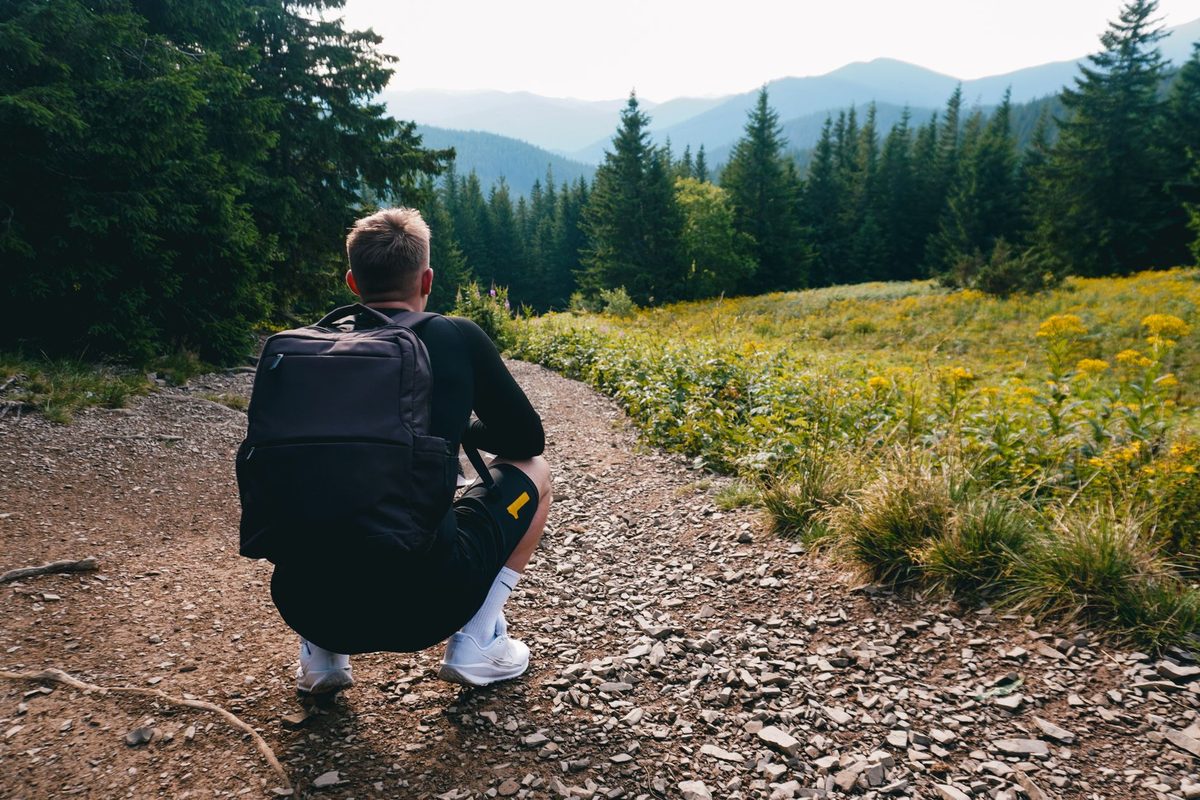
Time the day for heat and storms
The same early-start logic as a hot Brisbane Saturday applies, only more so, because shade in bushland is uneven and the walk back is usually uphill or in fuller sun. Arrive early, walk or sit in the cooler hours, and leave well before you are exhausted. In summer, afternoon storms are common in South East Queensland. Watch the sky and the forecast, and build in time to get to the car without rushing along a wet path.
Tell someone where you are going and when you expect to be back, especially if you are walking beyond the picnic area. This is ordinary bush sense, not drama.
A short planning sequence
The night before:
- Open the official page for the exact site. Confirm opening status, swimming rules, bookings, fires and facilities.
- Check the weather, including storms and fire danger if relevant.
- Check driving time, parking notes and any gate hours. Gates sometimes close earlier than you expect.
- Pack water, sun protection, shoes and a no-cook lunch.
- Set an early leaving time and a latest time to start the walk back.
If any of those five cannot be answered, pick a simpler outing. A creek day is a reward for a little bit of checking, not a last-minute idea at ten o'clock on a 35-degree Saturday. Done carefully, it can be one of the best weekends you have all summer — quiet water, a bit of bush, and home again before the storm line arrives.